2026-08-17 · Tom Ramirez
Common Causes of Low Water Pressure in Chicago Heights
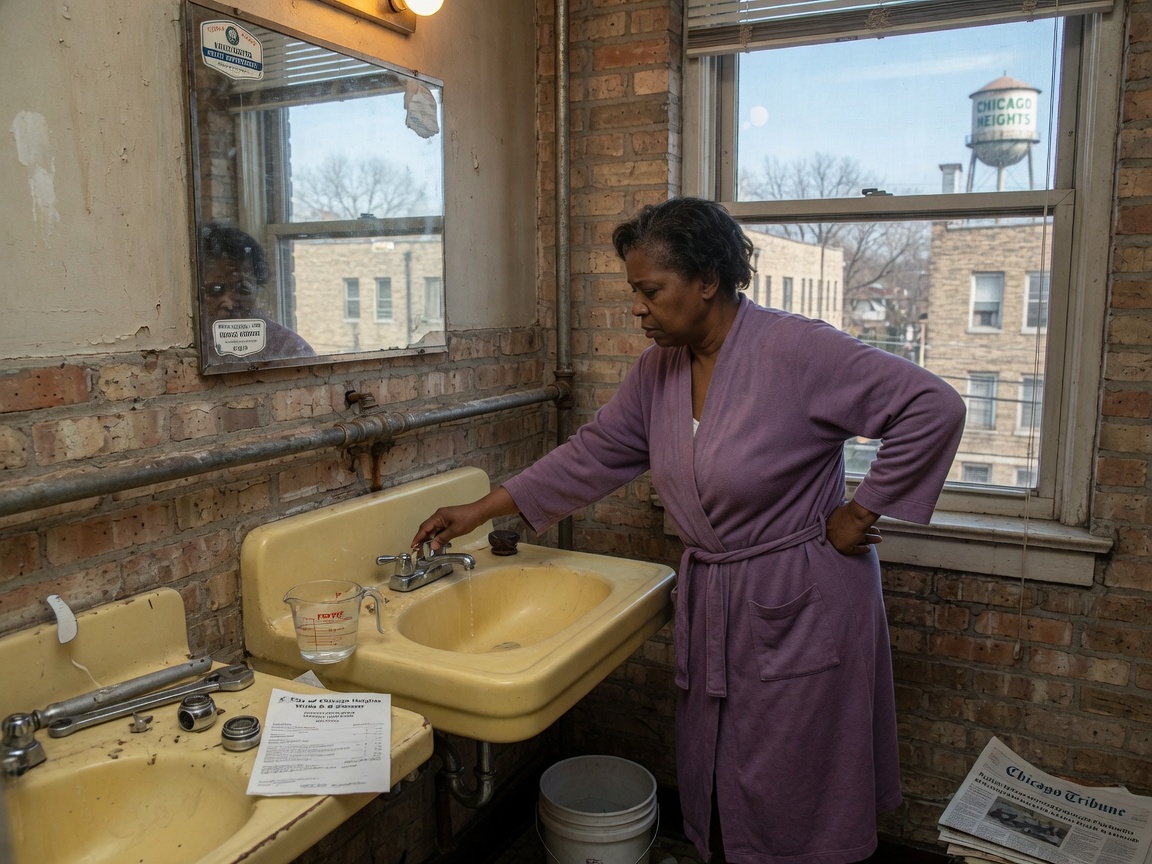
Low water pressure in Chicago Heights commonly results from corroded pipes, undetected leaks, mineral buildup, or issues with the municipal supply in older neighborhoods. These factors combine in Cook County's humid continental climate, where cold winters and hot summers stress plumbing systems over decades.
Corrosion in Older Pipes
Chicago Heights homes built before 1970 often feature galvanized steel pipes that corrode from the inside. In neighborhoods such as Old Chicago Heights and Downtown Chicago Heights, rust flakes restrict flow and drop pressure by 20-40 psi. Cold winter temperatures accelerate this process as pipes contract and expand. Residents notice reduced flow first at upper-floor fixtures. A thorough inspection with a camera can identify sections needing replacement before full failure occurs. Local water chemistry in Cook County contributes to faster oxidation compared to newer suburbs.
Mineral Buildup and Hard Water Deposits
Chicago Heights water carries moderate hardness levels that leave calcium and magnesium scale inside pipes and fixtures. Over 8-12 years, this narrows pipe diameter and cuts pressure, especially in the West Side and Hilltop areas. Showers and faucets lose flow first. Flushing the water heater annually and installing a whole-house filter slows accumulation. Properties near Chicago Heights Public Library and Bloom Township Hall share the same supply line characteristics, making buildup a widespread concern rather than an isolated problem.
Hidden Leaks in Supply Lines
Small leaks in buried or slab pipes reduce pressure without obvious puddles. In East Side and South Side homes, tree roots and shifting soil from freeze-thaw cycles create pinhole leaks that waste 5-15 gallons per day. Pressure drops become noticeable during peak usage hours. Professional leak detection and repair locates these issues without excavation in many cases. Early detection prevents larger breaks that could affect multiple homes on the same main.
Clogged Aerators and Fixture Screens
Debris from aging mains or construction work collects in faucet aerators and showerheads. Cleaning these screens restores flow in minutes, yet many Chicago Heights residents overlook them. In homes near St. Agnes Church or the Chicago Heights Park District, sediment from recent street work often appears. Removing and soaking aerators in vinegar for 30 minutes clears most blockages. If pressure remains low after cleaning all fixtures, the issue lies further upstream in the supply piping.
Municipal Supply and Valve Issues
Chicago Heights receives water through Cook County mains that occasionally experience valve restrictions or maintenance shutdowns. Main line valves partially closed after repairs can limit pressure to entire blocks in the West Side. Checking the main shutoff valve position and contacting the city water department rules out supply-side problems first. Homes in Park Forest and Steger share similar supply challenges, making this a regional consideration rather than unique to one neighborhood.
Addressing low water pressure starts with a systematic check of fixtures, valves, and visible pipes. When issues persist, residential plumbing diagnostics identify whether corrosion, leaks, or buildup require targeted repairs. For ongoing concerns in Chicago Heights, schedule an inspection during business hours Monday through Friday or on Saturday when service remains available.