2026-08-17 · Tom Ramirez
How to Prevent Frozen Pipes in Chicago Heights Homes
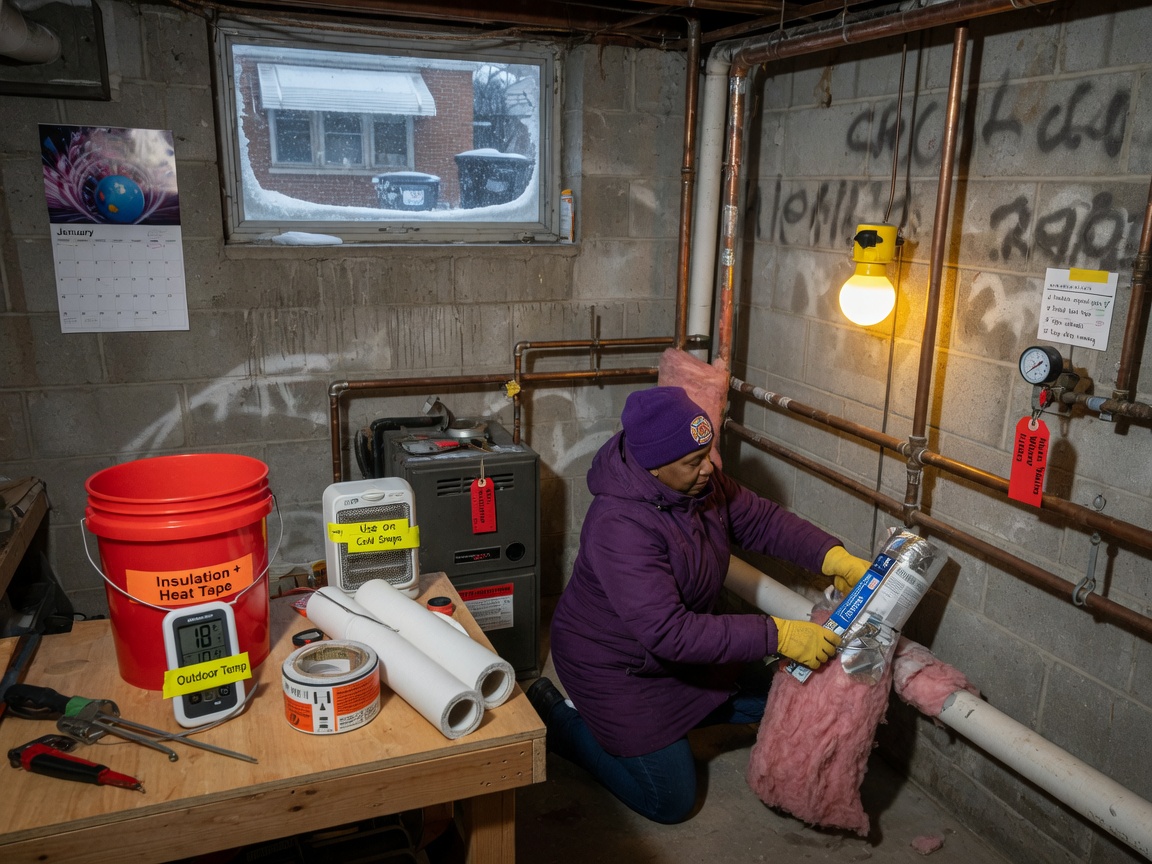
In Chicago Heights homes, maintain indoor temperatures above 55°F and insulate pipes in crawl spaces, attics, and exterior walls to stop freezing when overnight lows drop below 20°F during winter.
Mapping Vulnerable Pipes in Local Homes
Chicago Heights properties in neighborhoods like the East Side, West Side, and Hilltop often have older plumbing routed through unheated basements or along exterior walls near the Chicago Heights Public Library area. These runs freeze first because they lack consistent heat. Walk through your home during a cold snap and note any pipes within 6 inches of outside walls or in garages. Homes near Bloom Township Hall or St. Agnes Church share similar layouts from the same era of construction. Pay special attention to supply lines feeding outdoor spigots and laundry rooms on the ground floor. Document locations with photos so you can prioritize insulation before the next cold front arrives from the lake.
Insulation Methods That Work in Cook County Winters
Use closed-cell foam sleeves rated for ½-inch to 1-inch pipe diameters on all accessible lines. Wrap joints and elbows with fiberglass tape to eliminate gaps where cold air infiltrates. In Old Chicago Heights homes with limited access, add heat tape controlled by a thermostat set to activate at 38°F. This combination keeps water moving at 0.5 gallons per minute even when outdoor temperatures hit single digits. Avoid newspaper or towels as temporary wraps because they absorb moisture and lose effectiveness after one season. Check insulation annually in late October before the first hard freeze.
Daily Habits to Maintain Flow
Open cabinet doors under sinks in kitchens and bathrooms to allow warm air to reach pipes along exterior walls. Let faucets drip at a pencil-thin stream on the coldest nights, especially on the north side of homes in the Downtown Chicago Heights district. Run hot and cold water for 30 seconds each morning in bathrooms and laundry areas. These steps keep pressure moving and reduce the chance of ice forming inside ¾-inch copper lines common in local construction. Track weather alerts for Chicago Heights Park District events that signal extended cold periods.
Signs of Trouble and Next Steps
Watch for reduced water pressure or strange knocking sounds when turning on fixtures after a freeze. If a pipe has already frozen, apply heat with a hair dryer starting at the faucet end and working back toward the wall. Never use open flame or space heaters aimed directly at walls. When a line bursts, shut off the main valve immediately and contact a plumber for assessment. For hidden leaks after thawing, schedule leak detection and repair to locate damage behind drywall. Residents in nearby areas like Park Forest often face the same issues and benefit from the same preventive checklist. Review winter prep details in What Chicago Heights Residents Need to Know About Sump Pumps to coordinate basement protection.