2026-08-17 · Tom Ramirez
How to Spot Early Signs of a Sewer Line Problem
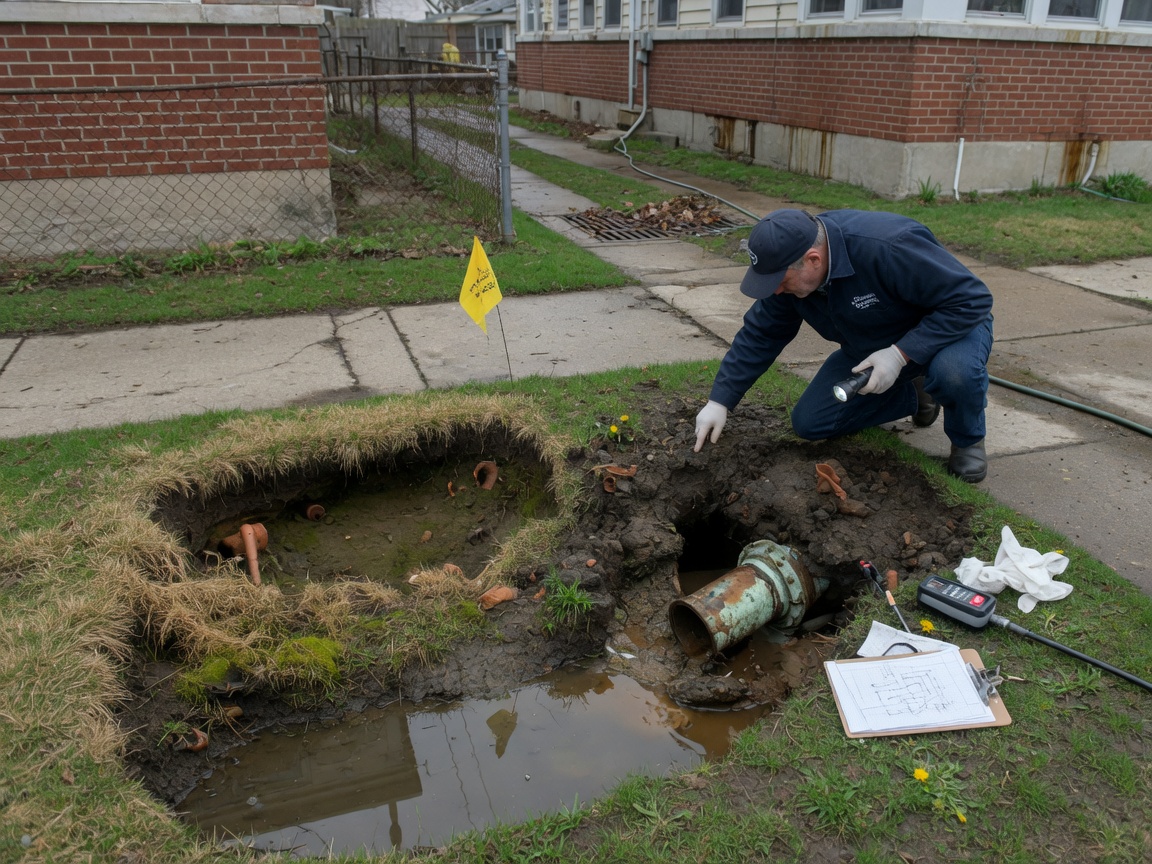
Early signs of a sewer line problem show up as slow drains in multiple fixtures, persistent gurgling sounds, and sewage odors near floor drains or cleanouts. These indicators often appear weeks or months before a full backup occurs in Chicago Heights homes.
Slow Drains Across Multiple Fixtures
When sinks, tubs, and toilets drain slowly at the same time, the issue usually sits in the main sewer line rather than individual traps. In Cook County properties built before 1970, roots from mature trees along streets in Downtown Chicago Heights or Hilltop frequently invade clay or cast iron pipes. Check whether plunging one fixture improves others; if not, the line likely carries partial blockage from grease, wipes, or shifting soil during freeze-thaw cycles. Measure how long water takes to clear after a full load from a washing machine. Times exceeding 30 seconds point to reduced capacity in the 4-inch or 6-inch main. Local plumbers see this pattern increase after heavy summer rains when groundwater rises and pushes sediment into joints.
Gurgling Noises and Sewage Odors
Gurgling at toilets or floor drains signals air trapped by partial obstructions in the sewer line. These sounds intensify after running a shower or dishwasher because the added volume forces air through the restriction. Sewage smells near the Chicago Heights Public Library area or Bloom Township Hall often trace to cracked pipes allowing methane to escape into basements. Note whether the odor strengthens during cold winter mornings when pipes contract. Residents in West Side homes sometimes mistake these smells for garbage disposal issues, yet the source lies farther downstream. Track the timing: odors that appear only after multiple fixtures run confirm the main line needs evaluation rather than fixture-specific repairs.
Effects of Local Climate and Soil Conditions
Chicago Heights experiences hot summers followed by cold winters that expand and contract soil around sewer lines. This movement stresses joints in older mains, especially on the East Side where clay soils retain moisture. During winter temperature drops, frozen ground can shift pipes enough to create small cracks that admit roots or debris. Summer humidity increases groundwater levels, which then infiltrates those same openings and carries silt that narrows the pipe diameter. Homeowners near St. Agnes Church or Chicago Heights Park District properties report more frequent issues after prolonged dry spells followed by sudden downpours. Understanding these seasonal patterns helps prioritize inspections before winter sets in and lines face additional stress from ice expansion.
Next Steps for Confirmed Warning Signs
Document the frequency of slow drains or odors with dates and weather conditions to share during an inspection. Avoid chemical drain cleaners that can damage older pipe materials common in Cook County. Instead, schedule a camera inspection through a sewer line repair specialist who can locate the exact problem without excavation. If backups occur, contact a 24 Hour Plumber for immediate assessment. Many early-stage issues in Chicago Heights resolve with sewer line replacement of only the damaged section rather than the entire run. Review related guidance in How to Check for Hidden Plumbing Leaks at Home to rule out separate leak sources before scheduling work.